

A BRAND ANALYSIS EXPLORING THE TENSION BETWEEN CULTURAL RELEVANCE AND BRAND IDENTITY.
The Question
What happens when a heritage brand begins looking outward more often than inward?
For decades, Chanel has represented one of fashion's clearest and most recognisable identities. Whether you were a Chanel fan or not was almost irrelevant, the quintessential Chanel look was always identifiable. The brand stood for something distinctive.
The Chanel woman existed; elegant without being overtly glamorous, refined without feeling overly precious. Her wardrobe was rooted in a very distinct set of codes that remained recognisable regardless of the decade.

Today, however, an interesting question emerges. As fashion becomes increasingly driven by trends, social media and overall cultural relevance, what happens when heritage brands begin responding to the broader fashion conversation rather than leading?
The Observation
We're living in times where fashion has never moved faster. Trend cycles are accelerating, consumer attention is increasingly fragmented and brands are under constant pressure to remain visible and culturally relevant.
All that being said, luxury houses are not immune to these pressures. The may, in fact, feel more acutely than anyone. The challenge is no longer simply designing collections anymore, the challenge has shifted to maintaining cultural relevance without compromising identity.
And this is where Chanel becomes an interesting case study.
The Distinctiveness Problem
Historically, Chanel possessed something many brands spend decades trying to build. Distinctiveness.
The brands visual language and overall aesthetics was so clearly defined that collections felt unmistakably Chanel, even as they evolved.
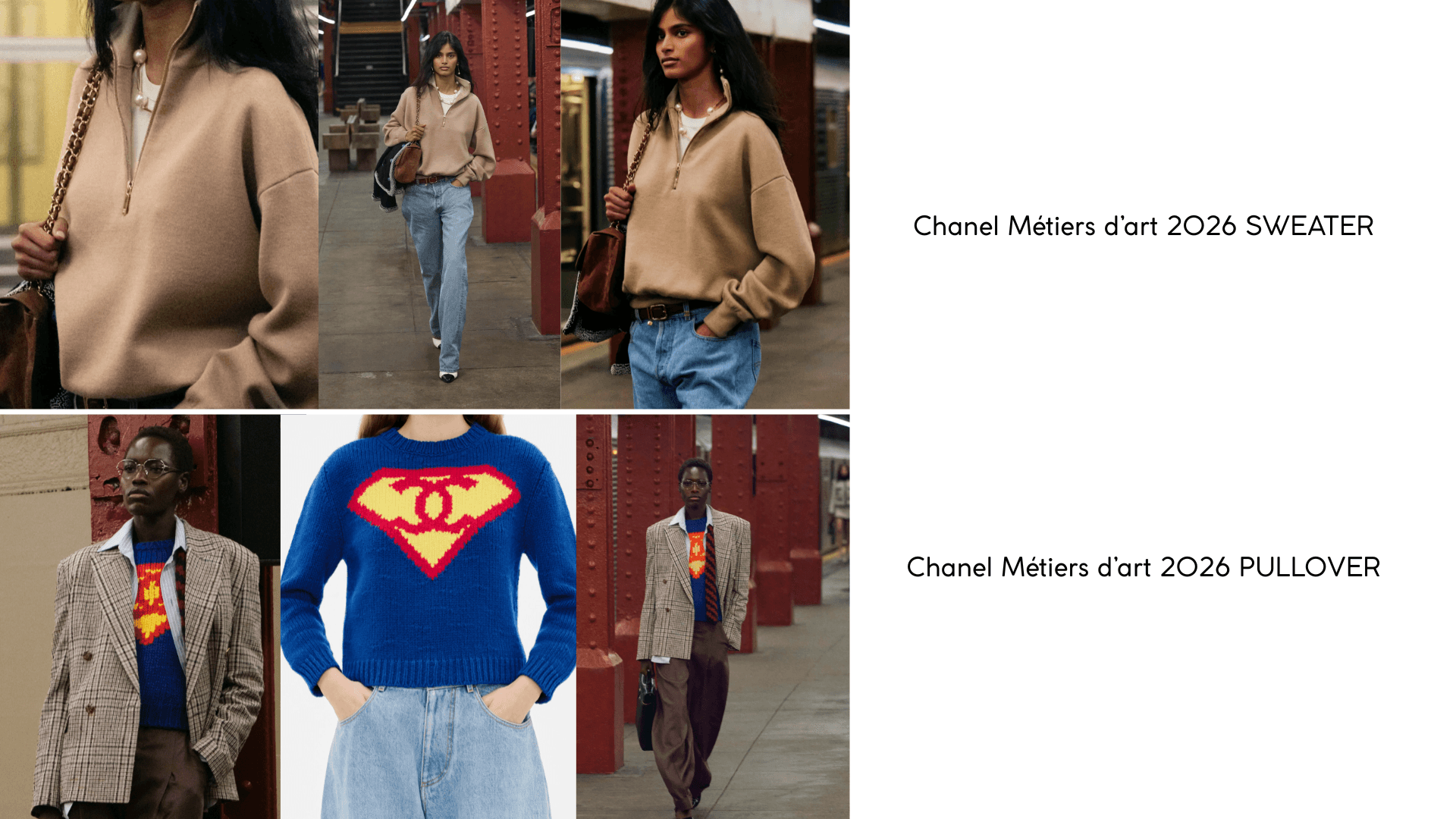
But, today, there are moments where certain collections prompt a different reaction. And this isn't because the work is unsuccessful, it isn't a lack of quality in the collections; it's because the question becomes less clear.
Is this unmistakably Chanel? Or is this Chanel participating in a broader industry aesthetic?
That distinction matters.
Relevance vs. Identity
The pressure to remain relevant is completely understandable. Fashion brands operate within an attention economy. One where visibility drives awareness, awareness drives growth & growth drives shareholder confidence.
Yet relevance can become problematic when it begins to replace identity. The strongest brands do not simply respond to culture, they interpret culture through their own perspective.
When identity becomes secondary to relevance, the risk is not an immediate decline. The risk is gradual dilution. A slow erosion of the characteristics that once made a brand distinct.
Why this Matters
Luxury is not built solely on product, luxury is built on meaning.
Consumers do not simply purchase a Chanel handbag because it's well made. They purchase it because of what Chanel represents on a cultural level. The moment that representation becomes less defined, luxury loses one of its most valuable assets: Clarity.
Consumers may not consciously recognise this shift, but very often they feel it. And at the point where consumers stop feeling a clear distinction between brands, differentiation becomes increasingly difficult.
Strategic Implications
The challenge facing many of these heritage brands today is not maintaining relevance, the challenge is maintaining relevance without sacrificing identity.
Brands need to consider:
are we responding to culture or interpreting it?
are new collections reinforcing our identity or diluting it?
does the consumer immediately recognise our point of view?
are we becoming more visible at the expense of becoming less distinct?
These questions are becoming increasingly important as trend cycles accelerate and competitive pressures intensify.
What this Means for Fashion Brands
The brands most likely to thrive over the next decade may not be those that adapt to every trend. It's likely to be the brands that remain anchored in a clearly defined identity while selectively evolving around it.
Consumers are surrounded by endless choices. And naturally they're increasingly drawn toward brands that stand for something specific.
Not because those brands are perfect, but because they are recognisable. Because they are clear & feel like themselves.
Studio Mødina Perspective
The strongest brands don't chase relevance. They filter relevance through a point of view. And in a market saturated with attention-seeking, clarity may become the ultimate competitive advantage.