

A STRATEGIC PERSPECTIVE ON THE MONOTONOUS APPEARANCE OF FASHION TODAY.
The Question
Fashion has never been more visible than it is right now. There are more brands, more collections, more campaigns and more content than at any other point in the industry's history.
Yet despite this abundance, a growing number of consumers describe fashion as feeling increasingly repetitive. And that's not because there is less creativity. But there appears to be less distinction.
Why?
The Observation
Fashion once felt like a discovery. Where consumers encountered designers with unmistakeable identities. Magazines introducing entire new aesthetics, with subcultures emerging organically before influencing the wider market.
Brands were recognised not simply by their logos, but by the ideas they represented.
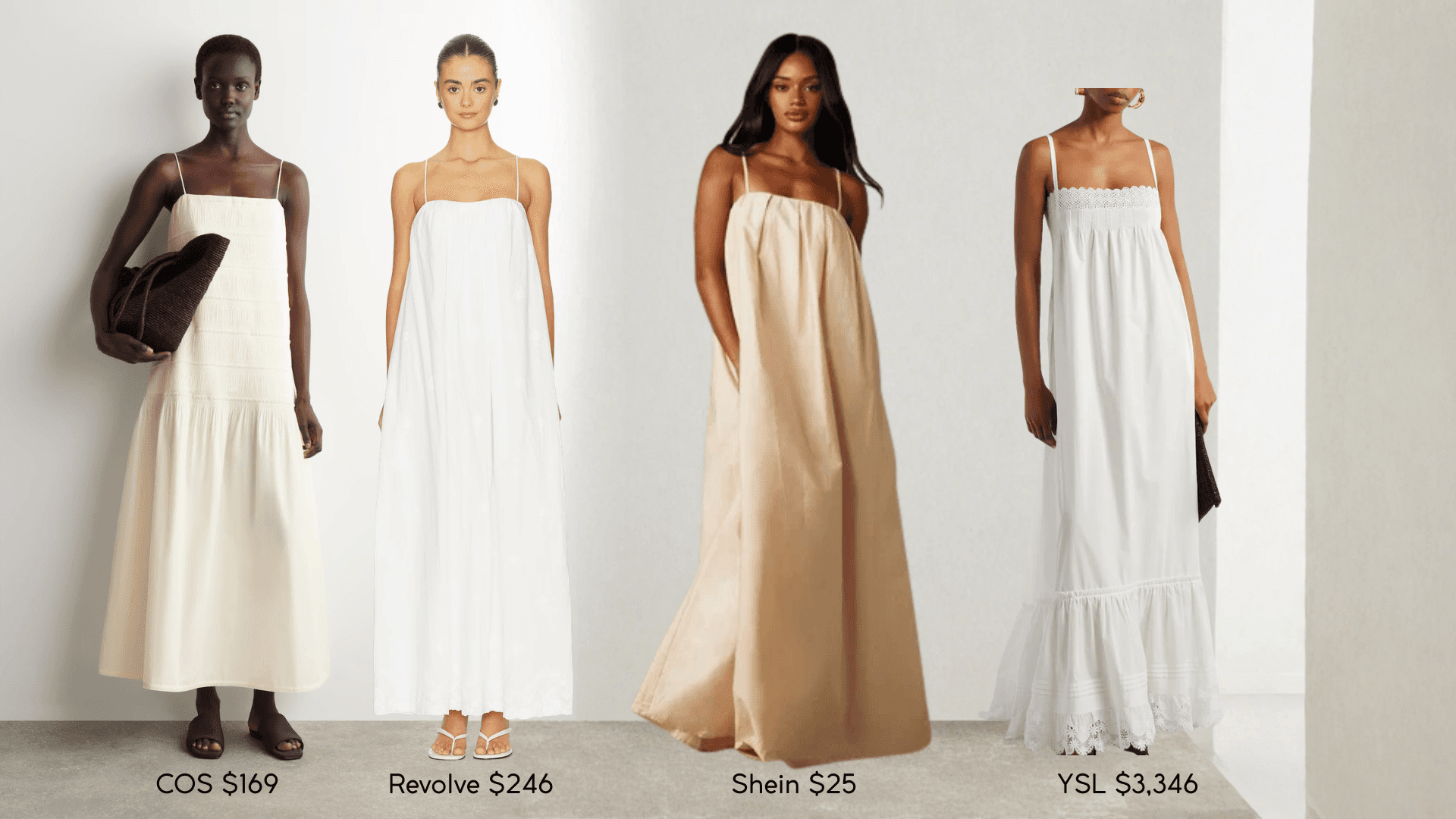
Today, many collections feel remarkable similar despite originating from different brands, price points and even markets.
Resulting in an industry that often appears visually abundant yet strategically homogenous.
The Conviction Problem
Creativity isn't lost, it hasn't disappeared. Conviction, may be.
Brands increasingly operate within an environment where remaining culturally relevant has become a commercial necessity. Algorithms reward familiarity, trend cycles accelerate rapidly & consumer attention fragments across countless platforms.
The safest response is often participating in existing aesthetics rather than defining new ones. Over time, however, participation can begin replacing perspective. And thus, brands become recognisable for following conversations rather than leading them.
The Algorithm Effect
Digital platforms have fundamentally altered the pace at which fashion evolves. Aesthetic movements that once developed over several years can now emerge, peak and decline all within months.
As trends accelerate, brands are encouraged to respond faster than ever before. The consequence, however, is an increasingly reactive industry.
Collections become shaped by what is already gaining attention rather than by long-term creative conviction. Creating a cycle where familiarity is repeatedly rewarded while originality carries greater commercial risk.
Where Fashion still Feels Alive
Interestingly enough, some of the industry's most compelling work continues to come from brands with exceptionally clear identities.
Designers such as Hertunba, Thebe Magugu, Rich Mnisi, Kilentar, Rami, Wannifuga & more are not simply producing garments.
They are communicating culture. History. Place. Identity. Whether or not every collection appeals to every consumer becomes almost irrelevant.
The POV (point of view) remains unmistakable, and that clarity creates distinction.

Strategic Implications
For fashion brands, the question isn't simply how to remain relevant.
The more important question is whether relevance is strengthening or weakening the brand's identity. As competition intensifies and consumer attention becomes increasingly fragmented, brands with distinctive perspectives may actually hold a greater long-term advantage than those optimising solely for visibility.
Consumers may forget a trend. But they're less likely to forget a brand that consistently stands for something.
Studio Mødina Perspective
Fashion has not lost its creativity. It has become increasingly cautious.
The brands that define the next decade may not be those reacting fastest to culture but those interpreting it through a perspective that is unmistakable their own.